How to Use Forest Sounds for Reading and Writing
Use forest ambience for reading and writing by balancing birds, wind, and streams so natural variation remains calming rather than distracting.
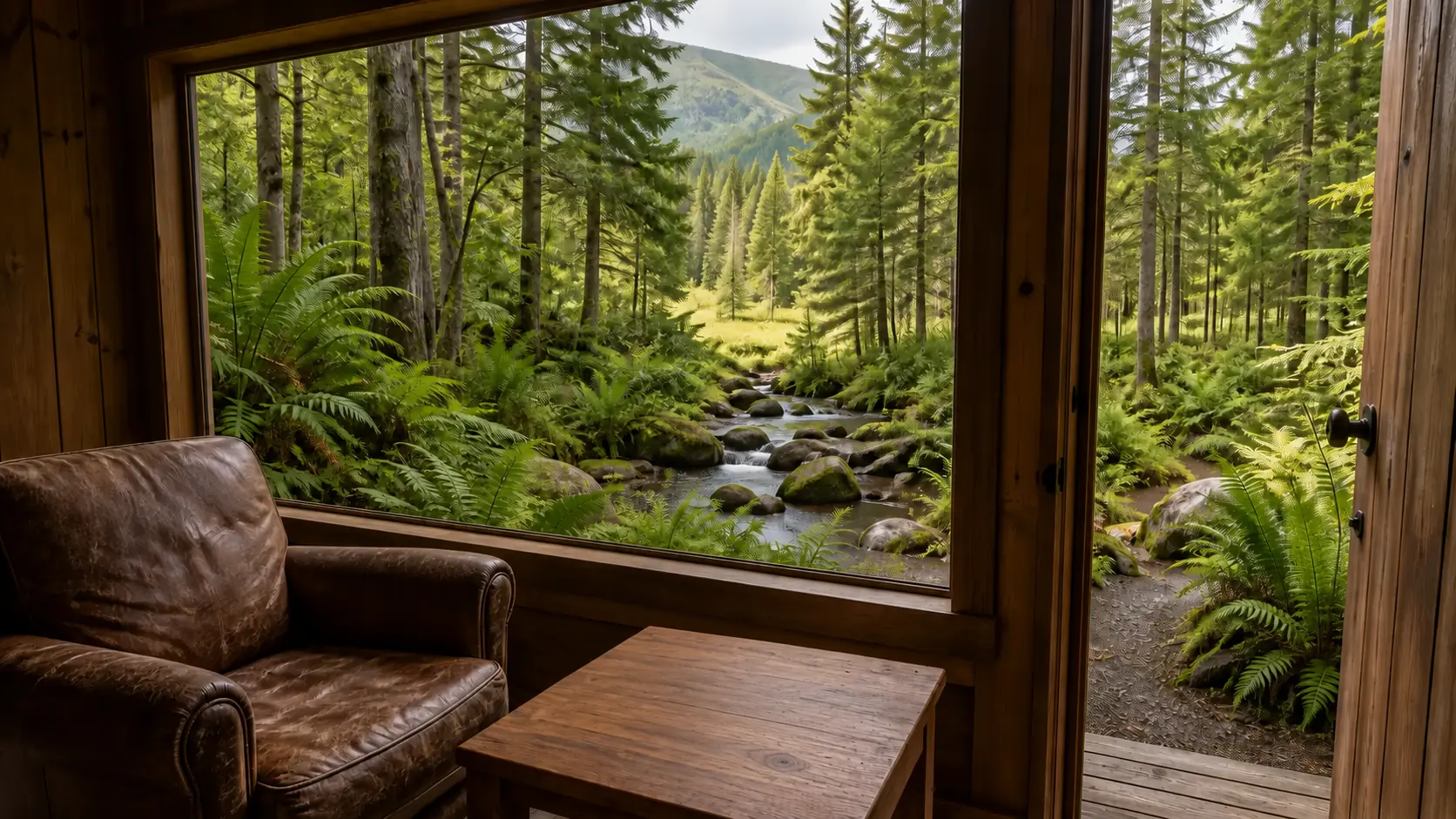
Forest ambience combines wind, leaves, birds, insects, and distant water. Its natural variation can make a workspace feel less static, but prominent calls and sudden changes may interrupt language-heavy work. A restrained mix usually works better than a highly detailed soundscape.
Choose a calm recording
Look for steady wind, leaves, or distant water with limited sudden bird calls.
Recordings labeled as relaxing may still contain dramatic wildlife, so preview before a work session.
Keep the environment consistent for the entire block.
Use forest ambience for reflective tasks
It often suits reading, journaling, outlining, and creative writing.
For precise proofreading, reduce variation or switch to a simpler stream or rain layer.
Notice whether the sound helps you settle in or encourages daydreaming.
Balance birds and water
Bird calls carry information-like patterns and can become attention magnets.
Use them quietly over a more uniform base such as wind or stream.
If you repeatedly wait for the next call, remove that layer.
Create a visual and sound match
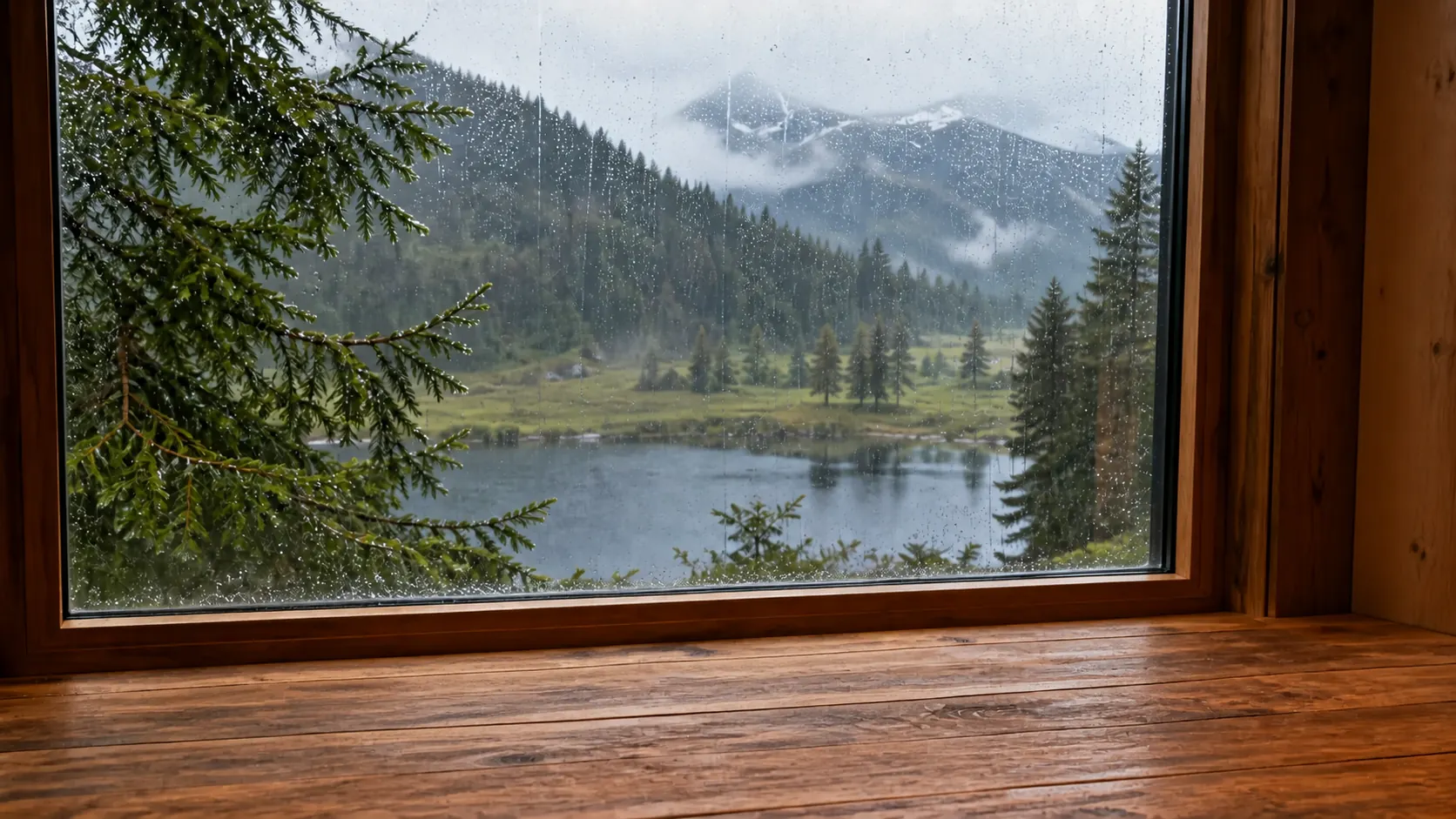
A restrained forest or desk scene can reinforce the atmosphere without adding movement that competes with text.
Avoid constantly changing backgrounds during the session.
Use the visual setup as a start cue rather than entertainment.
Use different presets for reading and writing
Reading may benefit from a softer, more uniform mix.
Creative writing may tolerate more natural variation.
Save both so the choice is tied to the task.
Review comfort after the session
Ask whether the ambience reduced outside distraction and whether you forgot it was playing.
If it demanded attention or caused fatigue, simplify the setup.
The best result is often a sound you barely remember hearing.
Using Muntrie
Muntrie combines forest, stream, wind, and other ambient layers with full-screen scenes and timers, making it easy to build separate reading and writing presets.
Frequently Asked Questions
Are bird sounds distracting?
They can be, especially when calls are loud or frequent. Lower them or use wind and stream without birds.
Can forest sounds help with technical reading?
Possibly, but choose a uniform recording and compare it with rain or silence.
Should I match the visual background to the sound?
You can, but keep the visual scene calm and avoid unnecessary motion.